Loading...
Toggle navigation
Home
About Journal
Editorial Board
Submission Instruction
Ethics & Policies
Ethics Statement
Peer Review
Copyright
Subscription
Contact Us
中文
Office Online
Journal Online
Current Issue
Advanced Search
Archive
Most Read Articles
Most Download Articles
Most Cited Articles
E-mail Alert
RSS Services
Wechat
Official website
Visited
Total visitors:
Visitors of today:
Now online:
Table of Content
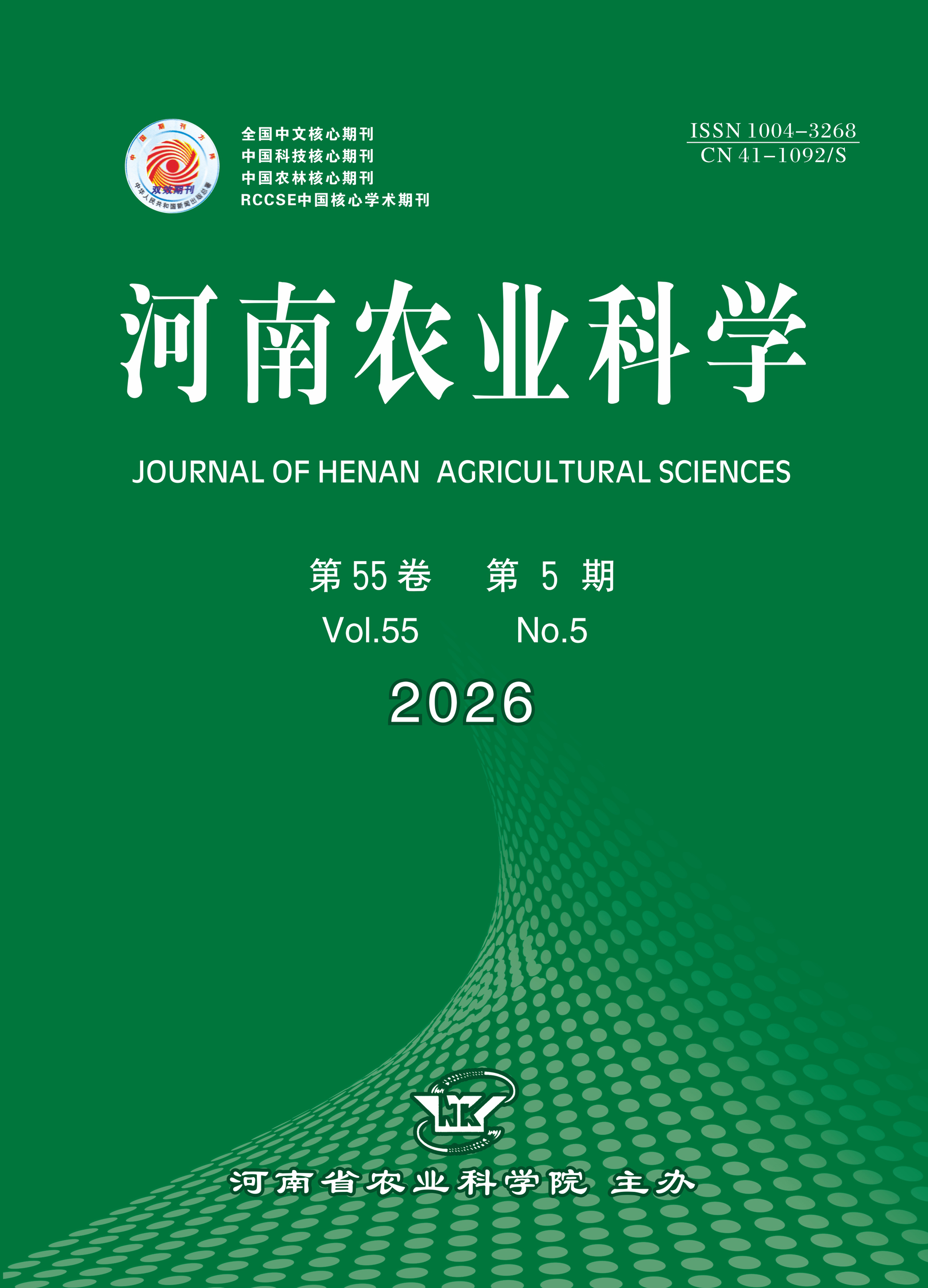
Volume 55 Issue 5
15 May 2026
Contents
Special Subject on Maize Cultivation
Crop Cultivation & Genetic Breeding
Agricultural Resources and Environment
Plant Protection
Horticulture
Animal Husbandry and Veterinary Medicine
Agricultural Information and Engineering and Agricultural Product Processing
Article List
Full Abstract
Previous Issue
Next Issue
Contents
CONTENTS
2026, 55(5): 0.
Asbtract
(
)
PDF
(28956KB) (
)
Related Articles
|
Metrics
Special Subject on Maize Cultivation
Effects of Nitrogen Fertilizer Reduction Combined with Different Functional Organic Fertilizers on Soil Nitrogen Transformation,Water and Nitrogen Use,and Yield of Maize
ZHANG Yunhong, YANG Yonghui, HAN Weifeng, HUA Yingpeng, GAO Cuimin, PAN Xiaoying, HE Fang, ZHANG Huan, DING Jinli, XU Qihao, LIU Wen
2026, 55(5): 1-12. DOI:
10.15933/j.cnki.1004-3268.2026.05.001
Asbtract
(
)
PDF
(2089KB) (
)
Figures and Tables
|
References
|
Related Articles
|
Metrics
Abstract:Field experiments were conducted,and five treatments were set up,including no nitrogen application(T1),conventional nitrogen application rate(T2),20% nitrogen fertilizer reduction combined with humic acid organic fertilizer(T3),20% nitrogen fertilizer reduction combined with seaweed organic fertilizer(T4),and 20% nitrogen fertilizer reduction combined with amino acid organic fertilizer(T5).The effects of nitrogen fertilizer reduction combined with different functional organic fertilizers on soil nitrogen components,abundance of functional genes related with soil nitrogen cycling,water and nitrogen use,and yield of maize(
Zea mays
L.)were studied,so as to provide the basis for formulating technical plan of reducing fertilizer and improving efficiency in the maize‐growing region of the North China Plain.The results showed that compared with the T2 treatment,nitrogen fertilizer reduction combined with different functional organic fertilizers decreased the content and proportion of mineral nitrogen at tasseling stage,but increased the proportion of organic nitrogen;increased the content and proportion of mineral nitrogen at mature stage,and the content and proportion of fixing nitrogen of T4 treatment increased.T3 and T4 treatments increased the copy number of functional genes related with soil nitrification and denitrification,and T5 treatment increased the copy number of functional genes(
nirK
and
mosZ
)related with soil denitrification.The total nitrogen accumulation of T4 treatment significantly decreased by 20.5% at mature stage.The nitrogen harvest indexes of T4 and T5 treatments significantly increased by 48.5% and 25.6%.T3 treatment promoted soil moisture migration from deep layers to surface,and improved the instantaneous water use efficiency of leaves at tasseling stage;the soil moisture of T4 and T5 treatments decreased at tasseling stage,increased in shallow soil and decreased in deep soil at mature stage. Instantaneous water use efficiency of leaves and water use efficiency of grains of T4 treatment significantly increased,and water use efficiency of grains of T5 treatment significantly increased. The yield of T4 treatment significantly increased,which mainly attributed to the increase of ears number and grains number per row,but T3 treatment significantly decreased,and T5 treatment had no significant change. In summy,under the conditions of this experiment,compared with the T2 treatment,T4 and T5 treatments can significantly increase the nitrogen harvest index and water use efficiency of grains of maize,T3 and T4 treatments can significantly enhance the instantaneous water use efficiency of leaves at tasseling stage,especially T4 treatment,and T4 treatment can also significantly increase the yield,achieving reduction of cost and improvement of efficiency.
Effect of Times of Spraying Chemical Regulator on Canopy and Stem Characteristics of Densely Planted Maize
ZHANG Meiwei, GUO Hanxiao, MU Weilin, YU Ting, ZHANG Panpan, LI Chuan, YAN Zhenhua, QIAO Jiangfang
2026, 55(5): 13-21. DOI:
10.15933/j.cnki.1004-3268.2026.05.002
Asbtract
(
)
PDF
(2124KB) (
)
Figures and Tables
|
References
|
Related Articles
|
Metrics
The maize cultivar Zhengdan 6161 was used as the experimental material,and field experiments were conducted with four treatments spraying chemical regulator made of ethylene and cycocel with ratio of 3∶1,including CK(spraying water as control at 8‐leaf and 15‐leaf stages),T1(spraying chemical regulator at 8‐leaf stage),T2(spraying chemical regulator at 15‐leaf stage),T3(spraying chemical regulator at 8‐leaf and 15‐leaf stages),under two planting densities of 75 000 plants/ha(D1)and 90 000 plants/ha(D2).The effects of times of spraying chemical regulator on canopy and stem characteristics of densely planted maize were studied to provide a reference for the chemical regulation technology for the reasonable canopy construction of densely planted maize populations.The results showed that the chemical regulator application reduced the leaf area index(LAI),while increased the diffuse non‐interceptance(DIFN)of population canopy.T2 and T3 treatments reached the significant levels,reduced the LAI of the ear position layer by 32.75%,24.20%(D1)and 27.61%,21.65%(D2),and increased DIFN by 46.91%,42.25%(D1)and 57.42%,47.68%(D2)respectively.Additionally,T3 treatment significantly increased the chlorophyll fluorescence parameter of PIabs(performance index on absorption basis)by 43.07%(D1)and 43.57%(D2)at silking stage,and significantly decreased plant height,ear height,and ear position coefficient under D2 condition.T1 and T3 treatments generally significantly increased the cross‐sectional area of the basal second to fifth internodes,and puncture strength of the basal third internode,and increased the cellulose,hemicellulose and lignin contents of the basal third internode by 12.39%—21.08%(D1) and 16.28%—27.58%(D2) at silking stage respectively,and there was no significant difference between the treatments of T1 and T3.Chemical regulator application could achieve yield increase by increasing the thousand‐grain weight. T2 and T3 treatments significantly increased the yield by 6.19% and 9.65% under D2 condition,respectively.D2T3 treatment had the highest yield,followed by D2T2 treatment,which increased by 25.56% and 22.57% respectively,compared to D1CK treatment. In summary,application of chemical regulator at 8‐leaf and 15‐leaf stages ultimately achieves yield increase under 90 000 plants/ha through improving the resistance to lodging by reducing the plant height,ear height and ear position coefficient,increasing the cross‐sectional area of the basal internodes and puncture strength of the basal third internode,improving the contents of cellulose,hemicellulose and lignin in the cell walls of stems,and optimizing the canopy structure and leaf fluorescence parameters,which is the optimal measure for yield increase in this region.
Effects of Nitrogen Application Method and Rate on Photosynthetic Characters,Antioxidant Properties,and Yield of Maize under High Temperature Stress after Flowering
YAN Lili, HONG Yao, LIANG Guili
2026, 55(5): 22-34. DOI:
10.15933/j.cnki.1004-3268.2026.05.003
Asbtract
(
)
PDF
(2457KB) (
)
Figures and Tables
|
References
|
Related Articles
|
Metrics
From 2023 to 2024,a field experiment was conducted for two consecutive years to study the effects of nitrogen application methods[split root application(S1),root‐leaf coordination(S2))]and nitrogen application rates[180 kg/ha(N1),240 kg/h(N2),and 300 kg/ha(N3)]on the photosynthetic characters,antioxidant properties and yield of maize under natural temperature(NT)and post‐flowering high temperature(HT) conditions. The aim was to select high‐temperature‐tolerant nitrogen fertilizer management mode in dryland farming area of North China. The results showed that under post‐flowering high temperature stress,the leaves SPAD values,net photosynthetic rate(Pn),and ascorbic acid(AsA)content of maize all decreased,while the activities of superoxide dismutase(SOD),peroxidase(POD),and malondialdehyde(MDA)content all increased,and the grains number per ear and 1 000‐grain weight all decreased,resulting in a decrease of yield. Comparisons among different nitrogen application methods showed that,the SPAD value,Pn,AsA content,SOD activity,POD activity,grains number per ear,1 000‐grain weight,and yield of S2 treatment were significantly higher than those of S1 treatment,and MDA content was significantly lower than that of S1 treatment in 2 a,among which the yield increased by 10.73% and 10.21% under HT,respectively.Comparisons among different nitrogen application rates showed that,the SPAD values,Pn,AsA contents,SOD activities,POD activities,grains number per ear,1 000‐grain weight,and yields of N2 and N3 treatments were higher than those of N1 treatment,and MDA contents were lower than that of N1 treatment in 2 a.The N2 treatment reached a significant level.Among them,the yields of N2 treatment significantly increased by 29.05% and 28.77% compared with N1 treatment under HT,respectively.The linear fitting of nitrogen application rate and yield showed that the theoretical optimal nitrogen application rate was 240.16—243.53 kg/ha under NT,and 257.47—260.36 kg/ha under HT.Overall,the optimal nitrogen application rate of S2 treatment was higher than that of S1 treatment,and the theoretical optimal yield of S2 treatment was higher than that of S1 treatment. Correlation analysis revealed that under HT,yield was significantly positively correlated with SPAD value,Pn,AsA content,grains number per ear and 1 000‐grain weight,and significantly negatively correlated with MDA content. In conclusion,it is recommended to promote the nitrogen application method of root‐leaf coordination in the dryland farming area of North China. Nitrogen application amount of 240 kg/ha should be adopted under natural temperature years,and 260 kg/ha under post‐flowering high temperature years to effectively alleviate high temperature stress and achieve high and stable yield of maize.
Effects of Planting Patterns on Agronomic Traits,Grain Filling Characteristics and Yield of Different Summer Maize Varieties
MU Weilin, GUO Hanxiao, YAN Zhenhua, YU Ting, ZHANG Meiwei, ZHANG Panpan, LI Chuan, NIU Jun, QIAO Jiangfang
2026, 55(5): 35-42. DOI:
10.15933/j.cnki.1004-3268.2026.05.004
Asbtract
(
)
PDF
(1582KB) (
)
Figures and Tables
|
References
|
Related Articles
|
Metrics
The main summer maize varieties Jingke 938(JK938)and Denghai 605(DH605)in Huang‐Huai‐Hai summer maize production area were selected as experimental materials,three treatments were set up,namely,single cropping with equal row spacing(60 cm,ER),single cropping with wide and narrow rows(80 cm+40 cm,WNR)and intercropping with 2∶2 wide and narrow rows(WNRI),and the effects of planting patterns on agronomic traits,grain filling characteristics and yield of different summer maize varieties were studied,so as to screen the high‐yield and high‐efficiency planting patterns suitable for two varieties,and provide theoretical basis and practical reference for the optimization of maize cultivation techniques.The results showed that the plant height and panicle position height of JK938 and DH605 all exhibited WNR>WNRI>ER.The dry grain weight and harvest index of JK938 and DH605 generally exhibited WNRI>WNR>ER,and the harvest index of WNRI treatment significantly increased by 20.75% and 19.61% respectively,compared with ER treatment. For JK938 and DH605,the time when the maximum filling rate appeared,the filling amount when the maximum filling rate appeared,the maximum filling rate and the average filling rate were the largest under ER treatment,and the active filling period was generally the longest under WNRI treatment,which was 10.12 d and 20.28 d longer than ER treatment respectively.At 50 days after anthesis,the 100‐grain weight of JK938 and DH605 were the highest under WNRI treatment.The orders of yields of JK938 and DH605 were WNRI>WNR>ER,and WNRI treatment significantly increased by 4.38% and 4.05% respectively,compared with ER
treatment. DH605 had no bald tip under WNRI treatment.To sum up,in Huang‐Huai‐Hai summer maize production area,for JK938 and DH605,intercropping with 2∶2 wide and narrow rows can coordinate the population structure,mprove the distribution efficiency of photosynthetic products to grains,prolong the active filling period,and then promote the increase of maize yield.
Impact of Vermicompost Application Rate for Winter Wheat on Dry Matter Accumulation,Transportation,and Yield of Subsequent Maize in Lime Concretion Black Soil
LIANG Lu, YIN Kun, ZHANG Weijie, ZHUANG Qiuli, XU Bohan, TIAN Kaiyue, ZHANG Dongjie, ZHANG Donghui, HUANG Yubo
2026, 55(5): 43-52. DOI:
10.15933/j.cnki.1004-3268.2026.05.005
Asbtract
(
)
PDF
(1684KB) (
)
Figures and Tables
|
References
|
Related Articles
|
Metrics
To clarify the impact of earthworm cast application rate during the previous winter wheat season on dry matter accumulation,transportation,and yield of the subsequent maize crop in the sand‐ginger black soil region of the Huang‐Huai‐Hai Plain,a field location experiment was conducted in sand‐ginger black soil area of Guoxiaozhuang Village,Dancheng County,Zhoukou City,Henan Province in 2021.During the previous winter wheat season,five treatments with different earthworm cast application rates were set up,namely 0(CK),3.75,7.5,15,and 30 t/ha,denoted as EC0,EC1,EC2,EC3,and EC4,respectively,with equal amounts of chemical fertilizer applied. Based on data from two maize seasons spanning 2023—2024,the regulatory effects of earthworm cast application rate during the previous winter wheat season on dry matter accumulation,distribution,transportation,and grain yield of the subsequent maize crop were investigated. The results showed that,over two growing seasons,compared to the EC0 treatment,the application of earthworm casts in the previous winter wheat crop significantly increased the dry matter accumulation in the above‐ground parts of the subsequent maize crop after jointing,and significantly improved the maximum growth rate of dry matter(9.77%—32.87%)and the average growth rate(8.30%—28.61%)in the above‐ground parts,with the EC3 treatment showing the best results and advancing the days when the maximum growth rate of dry matter occurred overall.The application of earthworm casts significantly increased the average accumulation rates of dry matter during the gradual increase period(emergence to early jointing),rapid increase period(early jointing to early grain filling),and slow increase period(early grain filling to maturity)of the subsequent maize crop(8.05%—29.25%,9.77%—32.87%,and 6.06%—21.70% respectively),with the EC3 treatment showing the best results and shortening the duration of the rapid increase period(0.69—2.25 days)and extending the duration of the slow increase period(0.42—1.59 days).The application of earthworm casts significantly increased the dry matter accumulation to the ear of the subsequent maize crop and improved dry matter accumulation after silking(5.59%—22.68%)and the contribution rate of dry matter after silking to the grain(1.42%—5.82%),both with the EC3 treatment showing the best results. The application of earthworm casts significantly increased the grain yield of the subsequent maize crop(5.71%—26.75%),with the highest value achieved in the EC3 treatment. In summary,under the region of lime concretion black soil in the Huang‐Huai‐Hai Plain,the application of 15 t/ha earthworm casts combined with chemical fertilizer in the previous winter wheat crop can effectively promote the dry matter accumulation,accumulation rate in the above‐ground parts of the subsequent maize crop,improve the dry matter accumulation in the maize ear,increase dry matter accumulation after silking and its contribution rate to the grain,and ultimately increase yield.
Crop Cultivation & Genetic Breeding
Effects of Different Nitrogen Application Rates on Agronomic Traits,Nitrogen Metabolism,Yield,and Quality of the New Flue‐Cured Tobacco Line YM2020
YANG Junjie, LI Hongchen, ZHANG Xiaoquan, CHANG Jianbo, GUO Jie, XIA Zongliang
2026, 55(5): 53-62. DOI:
10.15933/j.cnki.1004-3268.2026.05.006
Asbtract
(
)
PDF
(1381KB) (
)
Figures and Tables
|
References
|
Related Articles
|
Metrics
To determine the suitable nitrogen(N) application rate and clarify the nitrogen response characteristics of the new flue‐cured tobacco line YM2020,a field experiment was conducted in the tobacco‐growing area of Lushi,Western Henan,in 2024.Using the widely cultivated variety Yunyan 87 as the control,three N levels were established:low(N1,75.0 kg/ha),medium(N2,90. 0 kg/ha),and high(N3,105. 0 kg/ha).The effects on agronomic traits,key nitrogen metabolism enzyme activities,field resistance to major diseases,economic characteristics,chemical composition,and sensory quality of cured leaves were systematically evaluated. The results revealed a fundamental difference in nitrogen‐response patterns between YM2020 and Yunyan 87. YM2020 showed the best overall performance under the N2 level.Its key agronomic traits,plant height(169.0 cm),stem circumference(13.5 cm),and leaf area(2 103.4 cm
²
),were significantly better than those under the N1 and N3 treatments.The activities of nitrate reductase(NR),glutamine synthetase(GS),and glutamate synthase(GOGAT)reached peak values under N2,increasing by 32.1%—40.5% compared with the N1 level. The field incidence of brown spot(8.0%)was significantly lower than that under N3(40.0%)and under all nitrogen treatments of Yunyan 87(30.0%—50.0%).Economic traits were outstanding,with the highest yield(3 105.0 kg/ha),output value(95 261.4 Yuan/ha),and proportion of high‐grade leaves(51.77%).The chemical composition of cured leaves was well‐balanced,with the sugar‐to‐alkaloid ratio(9. 47)and potassium‐to‐chloride ratio(5.35)falling within the optimum ranges for high‐quality tobacco. Sensory evaluation scores were the highest(63.1 points),with notable scores for aroma quantity(6.3)and aftertaste(6.2).In contrast,Yunyan 87 performed best under the N1 level. Increasing nitrogen application(N2/N3)suppressed the activities of key nitrogen‐metabolizing enzymes,aggravated brown spot incidence,and significantly reduced economic performance(e.g.,output value under N3 decreased by 29.1% compared with N1)and sensory quality. In conclusion,YM2020 is a medium‐nitrogen‐efficient line with strong nitrogen‐assimilation capacity that effectively translates into high‐quality leaf production.A nitrogen application rate of 90.0 kg/ha is recommended for YM2020 in the western Henan tobacco‐growing region. Yunyan 87,which has a lower nitrogen‐tolerance threshold,should be maintained under low‐nitrogen management(75.0 kg/ha).
Identification of the EIL Gene Family in
Panax ginseng
and Its Expression Analysis under Heavy Metal Stress
LIANG Yong, WU Lei
2026, 55(5): 63-72. DOI:
10.15933/j.cnki.1004-3268.2026.05.007
Asbtract
(
)
PDF
(11768KB) (
)
Figures and Tables
|
References
|
Related Articles
|
Metrics
EIL(Ethylene‐insensitive3)transcription factors were core regulatory factors in plant ethylene signal transduction and stress response,involved in various physiological and biochemical processes in plants.To elucidate the distribution and function of the EIL family in
Panax ginseng
,PgEIL gene family members were screened based on the
Panax ginseng
genome,and their protein properties,phylogenetic relationships,gene structures,tissue expression patterns,etc. were analyzed through bioinformatics.The results showed that a total of 11 PgEIL genes were screened,and the physicochemical property prediction analysis showed that they were acidic hydrophilic unstable nucleoproteins. PgEIL genes were unevenly distributed across 10 chromosomes and exhibited 6 pairs of linear relationships.The PgEIL genes had a highly conserved EIN3 domain,and all contained Motif2,Motif5,and Motif9 conserved motifs.Phylogenetic analysis showed that the PgEIL genes could be divided into three different evolutionary branches,and members of the same branch exhibited similar characteristics,such as
PgEIL3
and
PgEIL4.
The promoter regions of PgEIL genes were rich in hormone,stress,and light response elements,and all contained light response elements. The transcriptome data analysis results showed that the PgEIL genes had typical tissue expression specificity,with low expression levels in roots and high expression levels in fruits,suggesting that members of the PgEIL family were involved in the growth and development of Panax ginseng. The expression of PgEIL genes under heavy metal stress was analyzed by qRT‐PCR.The results showed that Pb,Cd,Cu,and Zn could induce the expression of
PgEIL11
gene.
PgEIL3,
PgEIL5,PgEIL7
,and
PgEIL8
genes were highly sensitive to Pb and significantly upregulated in expression levels.
PgEIL9
gene was activated under Cd treatment but inhibited under Cu and Zn stress,and heavy metal stress could induce the expression of most PgEIL genes.In summary,the PgEIL genes play an important regulatory role in
Panax ginseng
’s response to heavy metal stress.
Agricultural Resources and Environment
Effects of Different Organic Materials with Equal Carbon Application on the Yield of Chinese Cabbage and Soil Fertility
MENG Xiangqi, DONG Yanhong, LI Xulin, HAN Zenghui, ZHANG Shimin, ZHENG Shuyun, LIU Junhao, MA Lei, LI Zengqiang
2026, 55(5): 73-82. DOI:
10.15933/j.cnki.1004-3268.2026.05.008
Asbtract
(
)
PDF
(6813KB) (
)
Figures and Tables
|
References
|
Related Articles
|
Metrics
A field experiment was conducted from 2023 to 2024,with 750 kg/ha compound fertilizer with N‐P
2
O
5
‐K
2
O of 15‐15‐15 as base fertilizer.On this basis,equal carbon amount(2 651 kg/ha)of exogenous organic material addition treatments were set up:adding shiitake mushroom residue(GZ),cow dung(CM),corn straw(MS),commercial organic fertilizer(OF)and biochar(BC).The effects on the yield of Chinese cabbage and soil nutrient content,organic carbon component content and enzyme activity were studied,in order to improve the yield and soil fertility of Chinese cabbage. The results showed that compared with the control(CK),the yield of Chinese cabbage treated with GZ,CM,MS,OF and BC in 2023 increased by 113.7%,66.4%,49.2%,82.7%,and 163.3%(
p
<0.05),respectively.In 2024,the yield of Chinese cabbage treated with GZ,CM,MS,OF and BC increased by 124.6%,78.5%,24.0%,106.5%,and 146.4%(
p
<0.05),respectively. Compared with CK,the contents of total nitrogen,alkali‐hydrolyabl nitrogen,available phosphorus and available potassium content in GZ treatment increased by 89.0%,86.2%,68.0% and 143.7%(
p
<0.05),respectively,while the pH,total nitrogen,alkali‐hydrolyabl nitrogen and available potassium content of BC treatment increased by 4.5%,49.4%,132.7% and 374.0%(
p
<0.05),respectively.The contents of total organic carbon,labile organic carbon content,particulate organic carbon content and mineral‐associated organic carbon content in BC treatment were 72.0%,165.7%,224.0% and 106.1% higher than those in CK treatment(
p
<0.05),respectively.The total organic carbon content of GZ and MS treatments was 29.7% and 31.3%(
p
<0.05)higher than that of CK treatment,respectively,and the content of mineral‐associated organic carbon was 39.3% and 15.6%(
p
<0.05)higher than that of CK treatment.The carbon stock management indices under CM and BC treatments were both significantly higher than that under CK treatment. Compared with CK,urease activity and β‐glucosidase activity of OF and BC treatments were reduced by 31.8%,38.5%,17.5% and 26.8%(
p
<0.05),respectively,while the acid phosphatase activities of GZ,CM and MS treatments were increased by 29.6%,50.1% and 59.9%(
p
<0.05),respectively.The results of correlation analysis showed that the yield of Chinese cabbage was significantly positively correlated with soil available potassium,total organic carbon and mineral‐associated organic carbon contents,and extremely negatively correlated with urease activity.In addition,urease activity was significantly negatively correlated with alkali‐hydrolyabl nitrogen content.In conclusion,under the conditions of this experiment,biochar application is a good measure to improve the yield and soil fertility of Chinese cabbage.
Plant Protection
Screening,Identification,and in Vitro Antagonistic Mechanism Analysis of Strains against
Phytophthora nicotianae
ZHANG Zhigao, WANG Chuang, YIN Dong, HUANG Xumin, ZHANG Huifen, XU Xinghui, HE Wenqing, ZHANG Hong
2026, 55(5): 83-95. DOI:
10.15933/j.cnki.1004-3268.2026.05.009
Asbtract
(
)
PDF
(35371KB) (
)
Figures and Tables
|
References
|
Related Articles
|
Metrics
To screen strains with antagonistic activity against
Phytophthora nicotianae
and to develop microbial resources for the biological control of tobacco black shank,antagonistic strains were isolated using dilution plating and dual‐culture assays. Dominant antagonistic strains were identified based on morphological characteristics,16S rRNA gene,and the sequences of 31 housekeeping genes.Their antimicrobial capacity was further evaluated via broad‐spectrum inhibition assays and determination of antibacterial activity in sterile fermentation filtrate.The control efficacy of sterile fermentation filtrates against
P.nicotianae
was assessed by measuring lesion length on detached leaves.Whole‐genome sequencing of the antagonistic strain was performed using next‐generation sequencing technology,and the genomic data were analyzed with KEGG database and antiSMASH software.Active antimicrobial compounds were identified by ultra‐performance liquid chromatography coupled with high‐resolution mass spectrometry(UPLC‐MS). Results indicated that a strain of
Bacillus cereus
YC5 with antagonistic activity against
P.nicotianae
was successfully isolated and screened.Dual‐culture assays demonstrated that strain YC5 exhibited a 74.22% inhibition rate against
P.nicotianae
,along with antifungal activity against multiple plant pathogenic fungi including the causal agents of tobacco
Fusarium
wilt and wheat crown rot.
In vitro
leaf tests confirmed that the sterile fermentation filtrate of YC5 significantly suppressed lesion expansion,demonstrating remarkable antifungal efficacy.Genomic analysis revealed that YC5 possessed a genome size of 5 859 938 bp with 34.779% GC content.Among the 5 824 predicted genes,3 813 were annotated in the KEGG database.antiSMASH predicted 14 secondary metabolite biosynthetic gene clusters,and UPLC‐MS identified various upregulated antimicrobial compounds.These findings demonstrated that YC5 exerted its biocontrol activity primarily through the production of diverse antimicrobial substances,which effectively suppressed the growth of
P.nicotianae
and other phytopathogens,thereby providing protective effects for plants.In summary,strain YC5 has the ability to synthesize multiple antibacterial compounds,and has antagonistic effects on
Phytophthora nicotianae
and various plant pathogenic fungi.
Pathogen Identification and Screening of Biocontrol Bacteria for
Euonymus japonicus
Anthracnose
ZHANG Zongxia, LÜ Juan, HAN Bo, FAN Susu, YAN Fanfeng
2026, 55(5): 96-106. DOI:
10.15933/j.cnki.1004-3268.2026.05.010
Asbtract
(
)
PDF
(20948KB) (
)
Figures and Tables
|
References
|
Related Articles
|
Metrics
To clarify the pathogen species of anthracnose on
Euonymus japonicus
and screen green biocontrol resources in Ji’nan,Shandong Province,the tissue isolation method was used to isolate pathogens from diseased plants.The taxonomic status of the pathogens was identified via morphological observation,multi‐gene sequence analysis,and pathogenicity test,and the biological characteristics were determined.Further,biocontrol bacteria with significant antagonistic effects against
E.japonicus
anthracnose were screened from the rhizosphere soil of healthy plants,and their antagonistic activity and control efficacy against the pathogens were evaluated via
in vitro
dual culture assay and leaf antibacterial test.The results showed that the pathogenic strain EJJN05,isolated from diseased plants,was identified as
Colletotrichum siamense
through morphological observation,pathogenicity test,and multi‐gene sequence analysis.The optimal growth conditions for this strain were PDA medium,30 ℃ and pH 7.A strain designated as EJSF04 with significant antagonistic effect against the pathogen was isolated from the rhizosphere soil of healthy
E.japonicus
plants.In dual culture assay,the inhibition rate reached 85.12%,and the in vitro leaf test showed that the fermentation broth of EJSF04 had a control efficacy of 78.32% for preventive treatment of anthracnose,which was significantly higher than that of curative treatment(63.18%).Combined with morphological observation and 16S rDNA and
gyrB
gene sequences analysis,strain EJSF04 was identified as
Bacillus velezensis
.This study provided a solid scientific basis for the effective implementation of green prevention and control measures against
E.japonicus
anthracnose.
Screening and Optimization of Solid Fermentation Medium for
Trichoderma viride
M1M2 and Its Controlling Effect on Sclerotinia Stem Rot in Soybean
WANG Chun, WANG Qian, CAO Xu, MENG Qinglin, WANG Yu, YU Liangbin, LI Yichu
2026, 55(5): 107-115. DOI:
10.15933/j.cnki.1004-3268.2026.05.011
Asbtract
(
)
PDF
(1477KB) (
)
Figures and Tables
|
References
|
Related Articles
|
Metrics
Using wheat bran,rice husk,and cracked maize as substrates,single‐factor and orthogonal experiments were conducted to screen the optimal sporulation medium formulation for
Trichoderma viride
strain M1M2.The effects of mineral elements(Fe
2+
,Mg
2+
,Cu
2+
,etc.)on sporulation yield were investigated,while inoculum density,moisture content,and incubation temperature were optimized.Pot experiments were conducted to assess the biocontrol efficacy of different M1M2 spore suspension concentrations against sclerotinia stem rot in soybean,and selective media were employed to monitor colonization dynamics in soil,aiming to establish a technical foundation for M1M2 biocontrol agent development and application.The results demonstrated that strain M1M2 achieved maximum mycelial growth rate and biomass in wheat bran and cracked maize substrates.Orthogonal screening identified the optimal solid‐state fermentation formula as cracked maize∶rice husk∶wheat bran=2∶3∶1,with Mg
2+
and Cu
2+
supplementation to this substrate significantly enhancing sporulation. The optimized fermentation conditions comprised inoculation with 7 mL of spore suspension at 1×10
6
spores/mL in 20 g substrate,water addition of 5 mL,and incubation at 28 ℃,yielding maximum sporulation under these parameters.Pot experiments revealed that M1M2 application concentrations≥1×10⁷ cfu/mL provided>60% control efficacy against sclerotinia stem rot in soybean,with 1×10
8
cfu/mL and 1×10
9
cfu/mL treatments achieving 71.4% and 72.5% efficacy,respectively.Soil colonization analysis showed that M1M2 populations peaked at 6.5×10
6
cfu/g on day 7 post‐application and remained at 2.0×10
5
cfu/g after 30 days—10‐fold higher than the blank control. These findings indicate that cost‐effective mass production of strain M1M2 can be realized through medium screening,fermentation optimization,and application technology development.The strain exhibits effective biocontrol at concentrations≥1×10
7
cfu/mL,providing an efficient candidate and compatible application technology for biological management of sclerotinia stem rot in soybean.
Horticulture
Evaluation of Drought Resistance of Radish under Combined Stress of High Temperature and Drought Based on Multiple Indicators
TIAN Luyao, CHEN Fabo, SUN Chun, YAN Qingjiu
2026, 55(5): 116-127. DOI:
10.15933/j.cnki.1004-3268.2026.05.012
Asbtract
(
)
PDF
(25220KB) (
)
Figures and Tables
|
References
|
Related Articles
|
Metrics
During the radish sowing season in Chongqing and its surrounding areas,radishes often face the combined stress of high temperature and drought.To establish a multi‐index comprehensive evaluation system for radish drought tolerance under combined high temperature and drought stress and screen drought‐resistant radish genetic resources,11 radish varieties(lines)were used as materials.After 40 ℃ high temperature and water cessation treatment for 0,2,6,12,24,and 48 h in 5—6 leaf radish seedlings,the plant height,aboveground fresh weight,underground fresh weight,superoxide dismutase(SOD),ascorbate peroxidase(APX),catalase(CAT),peroxidase(POD)activities,malondialdehyde(MDA)content,and chlorophyll fluorescence parameters(F
0
,F
m
,F
v
/F
m
)were measured.The drought tolerance of radishes under combined high temperature and drought stress was comprehensively evaluated by using the membership function analysis and principal component analysis.The results showed that all radish varieties(lines)died after 48 h of stress. With the intensification of high‐temperature and drought stress,the relative plant height,aboveground fresh weight and underground fresh weight of different radish varieties(lines)showed a downward trend.The relative activities of APX,POD and SOD first increased,then decreased and then increased again,while the relative CAT activity first increased and then decreased.The relative MDA content first increased,then decreased and then increased again.The 6—12 h of stress was the key response period.The relative APX and CAT activities were the highest at 6 h of stress,the relative SOD and POD activities significantly decreased after 2 h of stress and then increased after 12 h of stress,and the relative MDA content decreased to the lowest at 6 h.The relative F
v
/F
m
and Fm decreased to the lowest after 24 h of drought.According to the comprehensive evaluation results of all indicators,the drought tolerance of the 11 radish varieties(lines)from strong to weak was Fuling wild radish,Changshou wild radish,BZ2,Lanhuazi,Hongxing cherry radish,ZY228,Baidingshui radish,Changhong No.1,Xichang white,ZY147,and ZY4.The constructed multi‐index evaluation system can effectively identify the drought tolerance of radishes under combined high temperature and drought stress and screen drought‐resistant varieties. Chlorophyll fluorescence parameters(F
0
,F
m
),SOD,CAT activities can be used as important traits for rapid identification of radish drought tolerance in areas with frequent high temperature and drought.
Bioinformatics Analysis and Prokaryotic Expression of
UGT91A1
Gene in
Rosa chinensis
LI Ruobing, LI Yifei, GUO Xiaohui, PENG Linying, ZHANG Yunfeng, HU Fen
2026, 55(5): 128-134. DOI:
10.15933/j.cnki.1004-3268.2026.05.013
Asbtract
(
)
PDF
(10100KB) (
)
Figures and Tables
|
References
|
Related Articles
|
Metrics
A glycosyltransferase gene 91A1(UDP glycosyltransferase 91A1,
UGT91A1
)in
Rosa chinensis
was mined by phylogenetic tree analysis of triterpenoid glycosyltransferases(GTs) in plants;the physicochemical properties of
UGT91A1
were analyzed using bioinformatics methods such as pUGT db,SOPMA,SWISS MODEL,Expasy,WoLF PSORT,TMHMM,etc;pCold‐
UGT91A1
recombinant expression vector was constructed using double enzyme digestion method,and protein expression was detected by SDS‐PAGE electrophoresis and Coomassie brilliant blue staining.The results showed that the coding sequence(CDS)of the
UGT91A1
gene in
Rosa chinensis
was 1 491 bp,encoding an extracellular protein containing 493 amino acids,mainly located in the endoplasmic reticulum.The molecular weight was 55. 4 ku and the theoretical isoelectric point was 5.42.Its main sugar donor was uridine diphosphate glucose(UDPG).The construction of the recombinant expression vector pCold‐UGT91A1 for
UGT91A1
and pCold TF was successfully completed.The expressed Trigger Factor‐
UGT91A1
fusion protein had a molecular weight of approximately 107 ku,and the HRV3C enzyme could cleave the TF tag(52 ku)in the fusion protein to obtain
UGT91A1
protein(55.4 ku).
Animal Husbandry and Veterinary Medicine
Effects of Guanidinoacetic Acid on Intestinal Structure and Microbial Composition in High‐Fat Diet‐Induced Obese Mice
NING Jianghua, TIAN Jiying
2026, 55(5): 135-145. DOI:
10.15933/j.cnki.1004-3268.2026.05.014
Asbtract
(
)
PDF
(16565KB) (
)
Figures and Tables
|
References
|
Related Articles
|
Metrics
To investigate the effects of guanidinoacetic acid(GAA)on the intestinal tissue pathological morphology and intestinal microbial community structure of obese mice induced by high‐fat diet(HFD),24 C57BL/6J mice were randomly divided into blank control group(Con group),high‐fat diet group(HFD group)and high‐fat diet supplemented with 1% GAA group(HFD+GAA group),with 8 mice in each group. After 12 weeks of feeding,the blood,colon tissue and feces of mice were collected. ELISA was used to detect the expression levels of interleukin‐6(IL‐6),interleukin‐10(IL‐10)and tumor necrosis factor‐α(TNF‐α) in serum and colon tissues. Hematoxylin‐eosin staining and immunohistochemical staining were performed to observe the colon tissue structure and the expression of tight junction proteins,real‐time quantitative PCR(RT‐qPCR) was used to detect the relative mRNA expression levels of inflammatory factors and tight junction‐related genes,and metagenomic sequencing was conducted to analyze the intestinal microbial community structure. The results showed that compared with the Con group,the body weight of mice in the HFD group was significantly or extremely significantly increased,while the colon length and weight were extremely significantly decreased,and obvious structural damage was observed in the colon tissue;after GAA intervention,the above abnormal phenotypes were significantly improved. In addition,the contents of IL‐6 and TNF‐α in the HFD group were significantly or extremely significantly increased,the content of IL‐10 was significantly or extremely significantly decreased,while the HFD+GAA group showed the opposite trend.The results of immunohistochemical staining and RT‐qPCR showed that compared with the Con group,the expression levels of ZO‐1,occludin and claudin‐1 in the colon tissue of mice in the HFD group were significantly or extremely significantly decreased;supplementation with GAA could significantly reverse the above changes.Meanwhile,GAA could improve the species composition of intestinal microorganisms in obese mice,significantly or extremely significantly increase the relative abundances of Firmicutes,Bacteroidota,
Bacteroides
,
Lactobacillus
,
Eubacterium
,
Oscillibacter
and
Parabacteroides
,and significantly or extremely significantly decrease the relative abundances of Actinomycetota and
Duncaniella
.In summary,GAA can improve intestinal inflammation and intestinal pathological damage in high‐fat diet‐induced obese mice by regulating the composition of intestinal microbiota,increasing the abundance of beneficial bacteria,and restoring the expression level of tight junction proteins.
Agricultural Information and Engineering and Agricultural Product Processing
Research on Peanut Planting Information Extraction Based on GEE Combined Multi‐features and Random Forest
SHI Kaixuan, YANG Huadong
2026, 55(5): 146-154. DOI:
10.15933/j.cnki.1004-3268.2026.05.015
Asbtract
(
)
PDF
(9853KB) (
)
Figures and Tables
|
References
|
Related Articles
|
Metrics
Peanut is one of the important oil crops in China. Using remote sensing images to classify peanut cultivated land accurately and efficiently is of great significance for maintaining food security and guiding agricultural production. This research took Kangping County,Shenyang City as the research area,used Sentinel‐2 multi temporal remote sensing image as the data source based on Google Earth Engine(GEE)platform,constructed vegetation index features,texture features and phenological features,and used pixel‐based and object‐oriented random forest classifiers to achieve peanut planting information extraction in Kangping County,Shenyang City. The experimental results showed that the pigment index,texture feature and phenology feature improved the performance of the classifiers to a certain extent,among which the texture feature had the largest improvement for the object‐oriented random forest classifier.Compared with the use of spectrum+vegetation index+pigment index feature,the overall accuracy and Kappa coefficient after adding texture feature increased by 3.85 percentage points and 0.068 4 respectively,and the pixel‐based random forest classifier also rose by 2.66 percentage points and 0.035 6.In different feature combinations,the performance of pixel‐based random forest classifier was better than that of object‐oriented random forest classifier. The optimal overall accuracy of the two classifiers was 95.28% and 92.31% respectively,and the optimal Kappa coefficients were 0.908 6 and 0.860 8 respectively.
Analysis of Free Amino Acid Characteristics in Functional Modular Tobacco Leaves Treated with Biological Enzymes
WU Jinfeng, TANG Jie, DU Hongyi, XU Jiadong, TAO Wensheng, WANG Changguo
2026, 55(5): 155-171. DOI:
10.15933/j.cnki.1004-3268.2026.05.016
Asbtract
(
)
PDF
(10295KB) (
)
Figures and Tables
|
References
|
Related Articles
|
Metrics
To explore the differential regulatory effects of biological enzyme treatment on the characteristics of free amino acids and sensory quality of tobacco leaves with four functional modules of concentration(ND),smoke(YQ),fragrance(XQQ)and strong fragrance(XQN),four kinds of modular formula tobacco leaves were used as the object,based on the actual conditions of the tobacco threshing and redrying line,different proportions of compound enzyme preparations were sprayed,followed by incubation at 50 ℃ for 6 hours. Subsequently,the content of free amino acids was determined,and the data were analyzed combined with descriptive statistics,heatmap clustering and sensory evaluation.The results showed that proline was the highest proportion of free amino acids(49.38%—65.42%)in each module. After treatment with the optimized enzyme groups ND203 and YQ204,its content was significantly increased,thereby enhancing the sweet aroma of tobacco leaves. From the perspective of acid‐base classification,the coefficient of variation of basic amino acids was the highest(28.96%—42.34%),indicating that they were the most sensitive to enzyme treatment. The content of acidic amino acids increased by 47.48% under the treatment of XQQ201,which effectively strengthened the sour and fresh feeling of tobacco leaves. After treatment with the optimized enzyme groups(ND203,YQ204,XQQ201,XQN203)corresponding to the four modules,the off‐odor of tobacco leaves in each module was reduced by more than 20%,and the flue‐cured tobacco aroma,baked aroma and sweet aroma of flue‐cured tobacco were obviously improved. Among them,the fresh and moist aroma of ND,XQQ and XQN modules was weakened,and the roasted aroma of the XQN module was significantly enhanced.In summary,through the synergistic effect of multiple enzymes,the free amino acid composition of the module tobacco leaves can be directionally regulated,and the functional characteristics can be improved,which provides technical support for the large‐scale application of biological enzyme technology in the tobacco industry.
Analysis of Sensory Quality and Flavor Chemical Composition of Green Tea in Yangxin County
LIU Shilü, MA Linlong, YU Xiaohua, WAN Faxing, ZHAO Zhenjun, LIU Yanli, CAO Dan, YAN Xiaomei, HU Xianchun, JIN Xiaofang
2026, 55(5): 172-180. DOI:
10.15933/j.cnki.1004-3268.2026.05.017
Asbtract
(
)
PDF
(11087KB) (
)
Figures and Tables
|
References
|
Related Articles
|
Metrics
To investigate the flavor characteristics and material basis of green tea in seven tea districts (Fenglin town,Longgang town,Futu town,Sanxi town,Baisha town,Yanggang town,Xingguo town)of Yangxin County of Huangshi Ctiy in Hubei province,the contents of main taste and aroma components of tea were determined by high performance liquid chromatography and headspace solid phase microextraction‐gas chromatography‐mass spectrometry,and a comprehensive analysis was conducted combined with sensory evaluation,taste activity value(TAV)and odor activity value(OAV).The results showed that the green tea in Yangxin County had the flavor quality characteristics of mellow taste and high aroma. In terms of taste components,the tea polyphenol content of green tea in Yangxin County was 15.78%—26.80%,the total amino acid content was 1.32%—5.30%,the caffeine(CAF)content was 3.74%—4.45%,and the total catechin content was 9.87%—18.56%.Among them,epigallocatechin gallate(EGCG),epicatechin gallate(ECG),and epigallocatechin(EGC) were the main catechin components,and theanine,glutamine,and glutamic acid were the main amino acid components.TAV analysis showed that the average TAV values of EGCG,ECG and CAF were 5.06,2.67 and 4.15,respectively,which were the key substances contributing to the rich and mellow taste of the tea infusion.In terms of aroma components,a total of 35 aroma substances were detected,with a total aroma content of 42.64—101.70 μg/L. Alcohols,aldehydes and olefins were the main aroma components,accounting for 77.23% of the total aroma content. OAV analysis showed that the average OAV values of 10 components such as linalool,hexanal,nonanal and β‐ionone were greater than 1,which were the key substances contributing to the fresh and elegant aroma of Yangxin green tea. In summary,green tea in Yangxin County has the quality characteristics of mellow taste and high aroma.The key material basis of its taste formation is composed of EGCG,ECG,CAF,theanine,glutamic acid and other substances,which can provide scientific theoretical basis for its standardized production and brand building.