河南农业科学 ›› 2026, Vol. 55 ›› Issue (8): 148-161.DOI: 10.15933/j.cnki.1004-3268.2026.08.015

• 农业信息与工程·农产品加工 • 上一篇    下一篇

双倒卵形红酵母发酵红枣制备烟用香原料及增香效果研究

黄 阔1,郜晓妍1,崔成哲2,李锋2,肖红英1,李栋1,叶长文1,臧婉辰2,朱春阳2   

  1. (1.中国烟草总公司郑州烟草研究院,河南 郑州 450001;2.吉林烟草工业有限责任公司,吉林 长春 130033)
  • 收稿日期:2026-04-08 接受日期:2026-05-25 出版日期:2026-08-15 发布日期:2026-08-25
  • 通讯作者: 朱春阳,工程师,硕士,主要从事生物化学研究。E-mail:272036909@qq.com
  • 作者简介:黄阔,工程师,硕士,主要从事烟草微生物研究。E-mail:hkztri@163.com
  • 基金资助:
    国家烟草专卖局/中国烟草总公司首席科学家创新专项(702023CK0870);吉林烟草工业有限责任公司科技项目(KJXM-2024-04)

Preparation of Tobacco Flavor Raw Materials from Jujube Fermented by Rhodotorula diobovata and Its Flavor‐Enhancing Effect

Huang Kuo¹,Gao Xiaoyan¹,Cui Chengzhe²,Li Feng²,Xiao Hongying¹,Li Dong¹,Ye Changwen¹,Zang Wanchen²,Zhu Chunyang²   

  1. (1.Zhengzhou Tobacco Research Institute of China National Tobacco Corporation,Zhengzhou 450001,China;2.Jilin Tobacco Industry Co.,Ltd.,Changchun 130033,China)
  • Received:2026-04-08 Accepted:2026-05-25 Published:2026-08-15 Online:2026-08-25

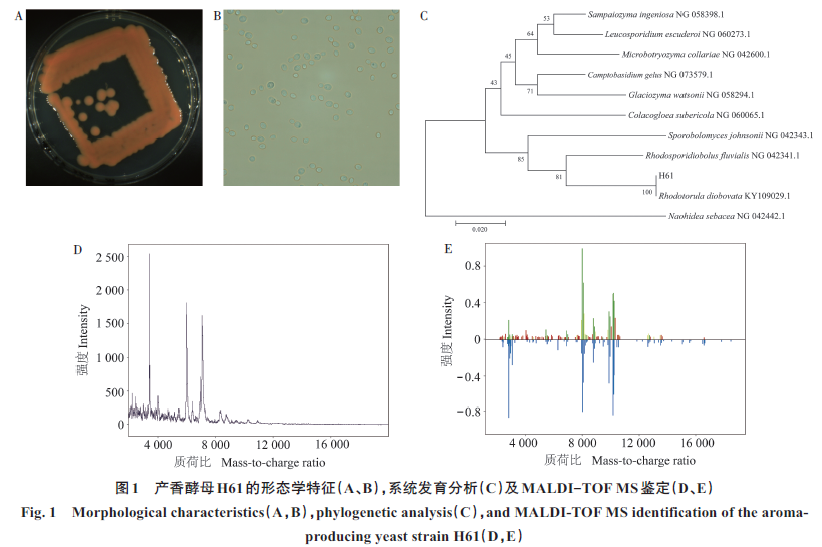
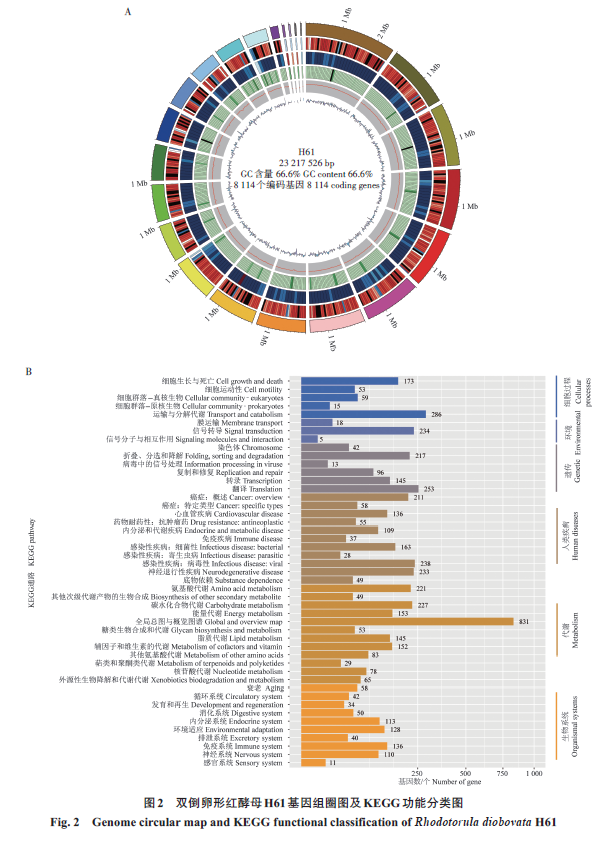
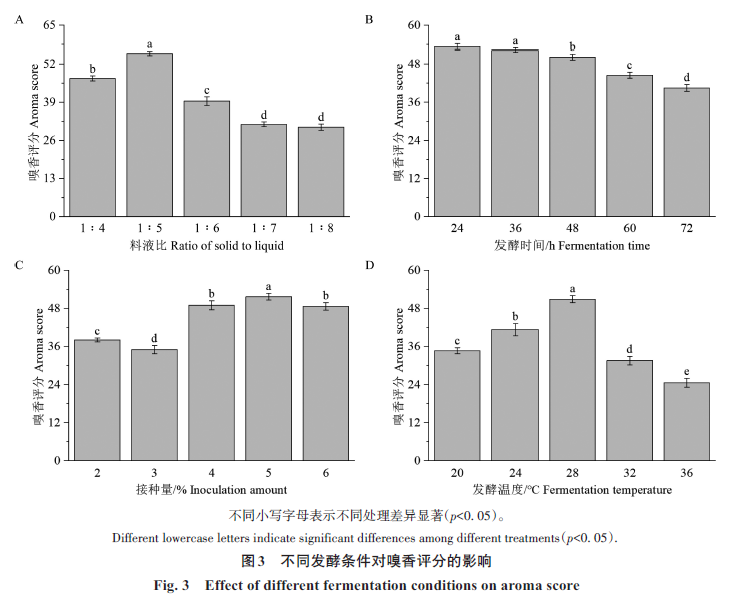
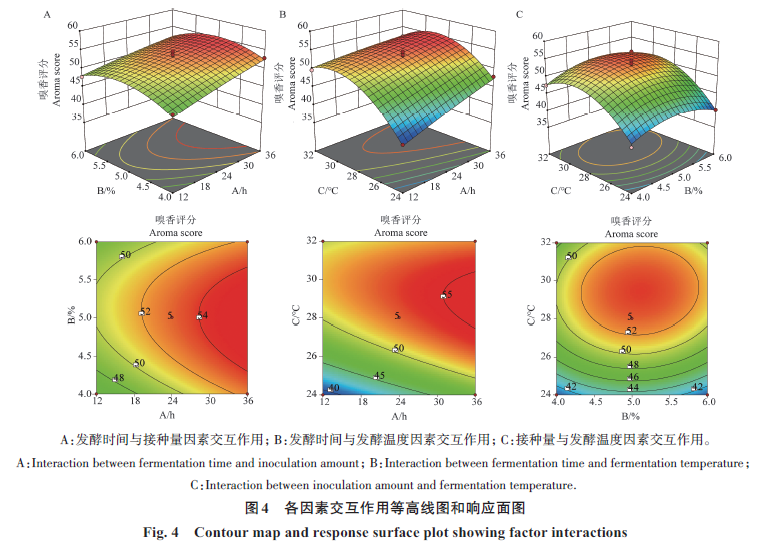
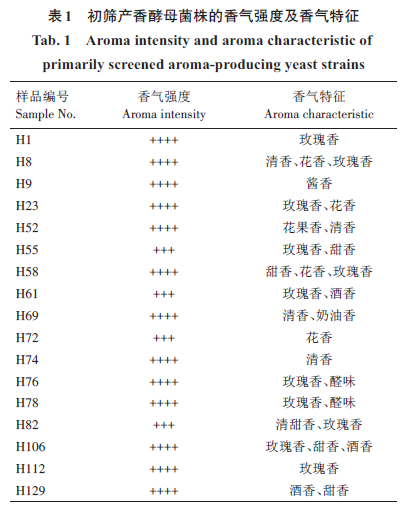
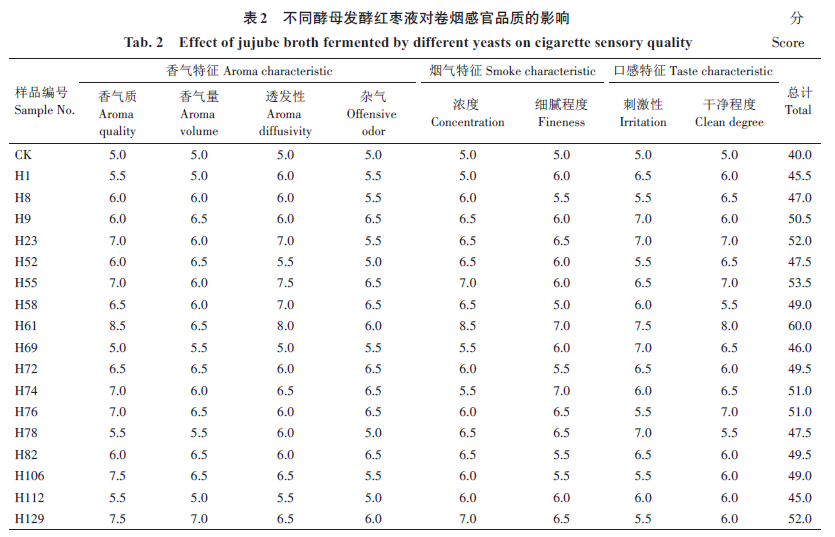
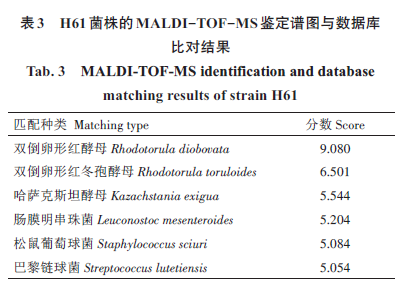
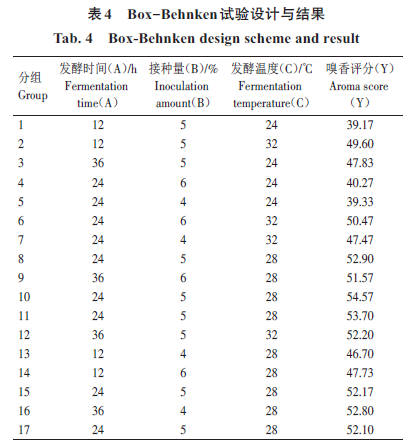
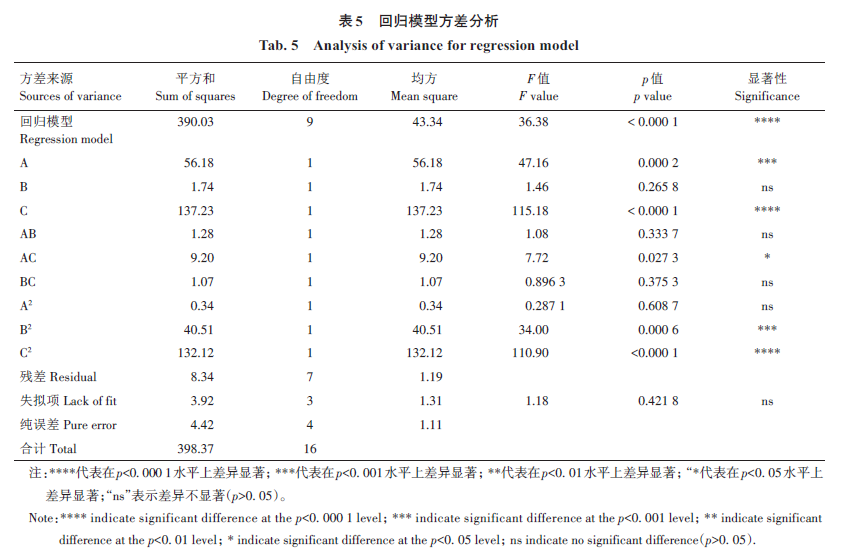
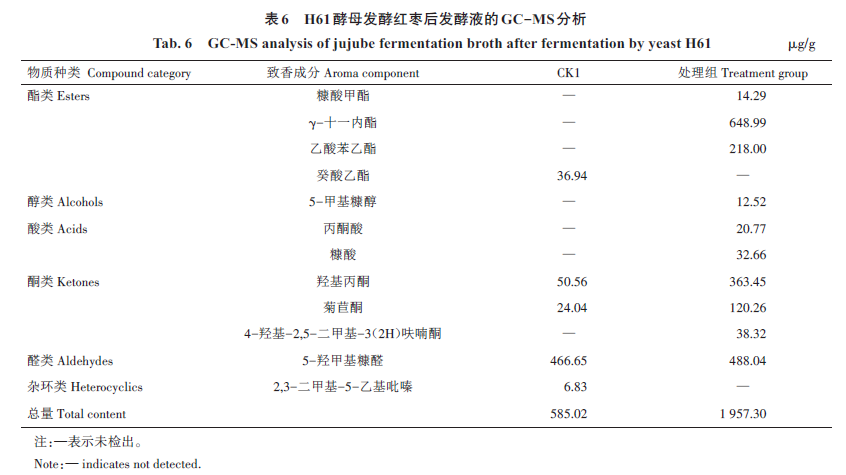
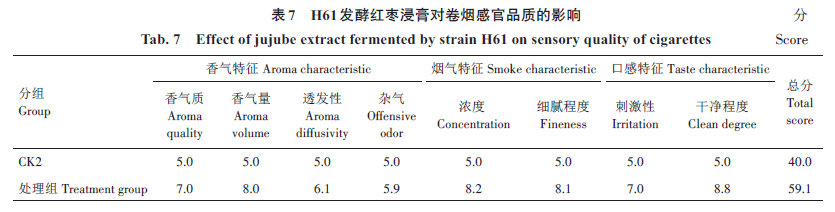
摘要: 为筛选鉴定可用于红枣发酵、增香性能优异的产香酵母并为高品质烟用香原料开发提供菌种资源,采用初筛嗅闻及发酵液卷烟加香评价筛选酵母菌株,经基质辅助激光解吸电离飞行时间质谱(MALDI-TOF-MS)和分子生物学方法鉴定,通过全基因组测序分析基因组序列并预测基因功能,利用响应面法优化发酵条件,结合气相色谱-质谱联用技术(GC-MS)分析香气成分变化,并通过卷烟加香评吸验证增香效果。结果表明,初筛嗅闻获得17株产香酵母;感官评吸显示,H61号增香效果最显著,经鉴定为双倒卵形红酵母(Rhodotorula diobovata);其基因组序列长度为23 217 526 bp,GC含量为66.6%,预测编码基因数量为8 114个,KEGG数据库共注释到3 103个编码基因,代谢相关通路中碳水化合物和氨基酸代谢注释基因较多;响应面优化得到最佳发酵条件为发酵时间30 h、接种量5%、发酵温度29 ℃;GC-MS分析表明,H61发酵红枣提取液的香气总量较CK1组(接种等量无菌水于相同条件下发酵的红枣液)提升2.35倍,其中γ-十一内酯、乙酸苯乙酯和羟基丙酮等5种香气物质含量明显升高;感官评吸得分为59.1分,较CK2组(接种等量无菌水同条件发酵制备的红枣浸膏)显著提升47.75%,香气量、细腻程度及干净程度等8个指标均有明显改善。综上,双倒卵形红酵母H61具有优良的产香特性与发酵应用潜力,在以红枣为原料的烟用香原料开发及卷烟感官品质提升方面具有良好应用前景。

关键词: 双倒卵形红酵母, 红枣, 烟用香原料, 微生物发酵, 卷烟加香, 全基因组测序

Abstract: To screen and identify aroma‐producing yeasts suitable for jujube fermentation with excellent aroma‐enhancing performance,and to provide strain resources for the development of high‐quality tobacco flavoring materials,the following procedures were carried out.Yeast strains were screened by preliminary olfactory evaluation and cigarette flavoring assessment of fermentation broths,and identified using matrix‐assisted laser desorption/ionization time‐of‐flight mass spectrometry(MALDI‐TOF‐MS)combined with molecular biological methods.Whole‐genome sequencing was performed to analyze genomic sequences and predict gene functions.Response surface methodology was employed to optimize fermentation conditions,gas chromatography‐mass spectrometry(GC‐MS)was applied to analyze changes in aroma components,and the aroma‐enhancing effects were further validated through cigarette flavoring evaluation. The results showed that 17 aroma‐producing yeast strains were obtained by preliminary olfactory screening. Sensory evaluation indicated that strain H61 exhibited the most significant aroma‐enhancing effect and was identified as Rhodotorula diobovata. Its genome sequence length was 23 217 526 bp,with a GC content of 66.6%,and 8 114 coding genes were predicted.A total of 3 103 coding genes were annotated in the KEGG database,among which genes involved in carbohydrate and amino acid metabolism were relatively abundant in metabolic pathways. The optimum fermentation conditions were obtained by response surface methodology as follows:fermentation time 30 h,inoculum size 5%,fermentation temperature 29 ℃. GC‐MS analysis showed that the total aroma content of the jujube extract fermented by H61 was increased by 2.35 times compared with the CK1 group(jujube liquid inoculated with an equal volume of sterile water and fermented under the same conditions),and the contents of five aroma substances such as γ‐undecalactone,phenethyl acetate and hydroxyacetone were obviously increased.The sensory evaluation score was 59.1 points,which was significantly increased by 47.75% compared with the CK2 group(jujube extract prepared by fermentation with an equal volume of sterile water under the same conditions).The eight indicators such as aroma volume,fineness and cleanliness were significantly improved. In conclusion,Rhodotorula diobovata H61 exhibits excellent aroma‐producing characteristics and promising application potential in fermentation,showing good prospects in the development of tobacco flavor ingredients derived from jujube and the improvement of cigarette sensory quality.

Key words: Rhodotorula diobovata, Jujube, Tobacco flavor raw material, Microbial fermentation, Cigarette flavoring, Whole‐genome sequencing

中图分类号: